

There is power in learning how to keep yourself and your loved ones safe. Topics like overdose prevention, medication safety, and suicide intervention carry deep emotional weight, but ignoring them creates silence where there should be support.
Our guide offers a structured path through hard truths, practical tools, and evidence-based care that helps give individuals and families what they need in these vulnerable times. Every section brings forward knowledge that can lead to safety and long-term healing.
Table of Contents
Why Medication Safety and Suicide Prevention Matter in Addiction Recovery
Addiction recovery encompasses a lot of facets, and this includes both understanding medication safety and suicide prevention tactics. These are essential components that protect progress and reduce the risk of crisis during vulnerable situations.
Those navigating substance use can often face complex mental health challenges, and ignoring those layers can lead to relapse, overdose, or suicidal thoughts.
That’s why a strong recovery plan should include structure around prescription use and education on overdose prevention. Access to suicide intervention tools also helps create a safer environment for healing, making long-term stability more of a reality.
How Medication Misuse Increases the Risk of Drug Overdose
Medication misuse increases the risk of drug overdose by disrupting the balance between intended treatment and unsafe use.
Taking higher doses than prescribed, mixing substances, or using medications without supervision can overwhelm the body’s ability to process them safely. These actions can often lead to slowed breathing, heart complications, and, in many cases, loss of consciousness.
In addiction recovery, unmanaged medication use can undo progress and push individuals toward dangerous patterns. That’s why Beachway Therapy believes that preventing overdoses begins with clear guidelines and honest education.

Defining Medication Safety in Dual Diagnosis Treatment
In dual diagnosis treatment, individuals receive care for both substance use and co-occurring mental health conditions. Medication often plays a key role in managing symptoms, but without proper oversight, it can also introduce new risks.
Thus, medication safety in this setting means using prescriptions in a way that supports recovery without increasing the potential for misuse or overdose.
Clear communication between providers, regular medication reviews, and individualized treatment planning help create structure around safe use, making these interventions crucial to a safe recovery.
The Link Between Prescription Drug Safety and Mental Health Crisis Intervention
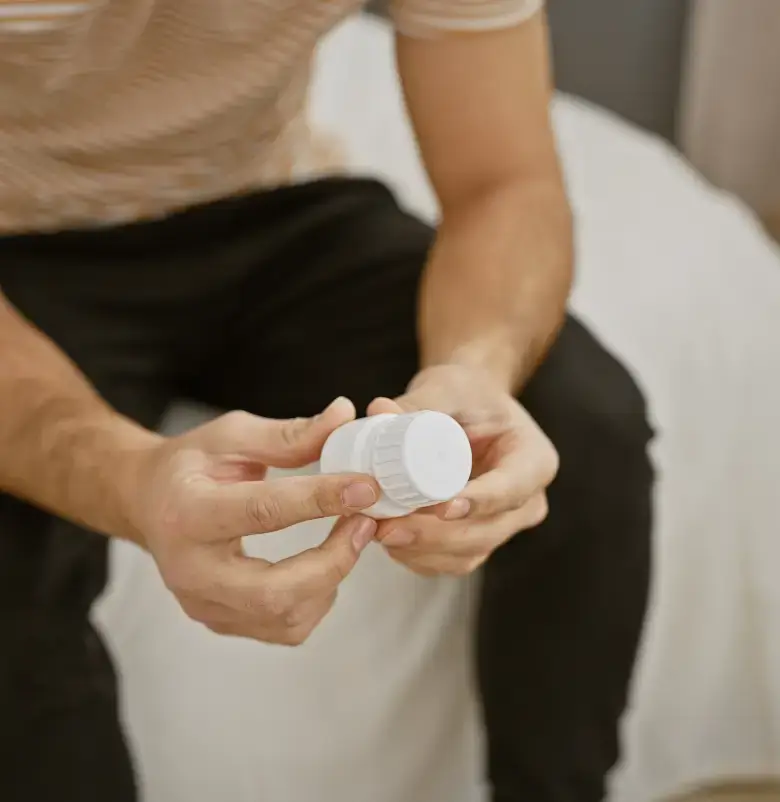
Prescription drug safety is critical in preventing mental health crises. When medications are not taken as prescribed—or combined with other substances—the risk of emotional instability increases.
Those facing depression, anxiety, or trauma-related conditions can experience serious symptoms that require immediate intervention if their medication routines change too drastically.
At this point, crisis support becomes even more urgent when access to certain prescriptions puts someone at risk of overdose or self-harm.
This is why safe prescribing, regular monitoring, and support during medication changes are such significant moves: they help reduce these risks tenfold.
For more guidance, explore our resources:
Best Practices for Medication Safety in Addiction Recovery
Medication safety in addiction recovery requires more than just following a prescription label. It also involves creating systems that support long-term health and protect mental clarity throughout the recovery process.
These best practices help individuals regain control, build confidence, and avoid situations that could lead to misuse or even overdose:
- Keep a current medication list that includes dosages, prescribing providers, and reasons for each medication
- Use a pill organizer or medication reminder system to prevent accidental double-dosing or skipped doses
- Store medications in a locked or secure location away from children, visitors, or others in the home
- Dispose of expired or unused medicines through approved take-back programs or disposal kits
- Have regular check-ins with your treatment provider to adjust medications as your recovery evolves
By following these steps, you’re creating a safer, more stable environment, especially during the early stages of healing. When you set up practical routines and involve trusted providers, you significantly reduce the risk of harm and reinforce your commitment to recovery.
How to Store, Use, and Dispose of Medications Safely
Safe medication use involves responsible storage and disposal, along with actual consumption. In addiction recovery, these habits lower the risk of accidental misuse and protect others in the household. After all, each step matters and contributes to a safer living space during recovery time.
Using medications safely means taking them exactly as prescribed without adjustments. You must avoid combining prescriptions with alcohol or other substances, and contact your provider before stopping any medication.
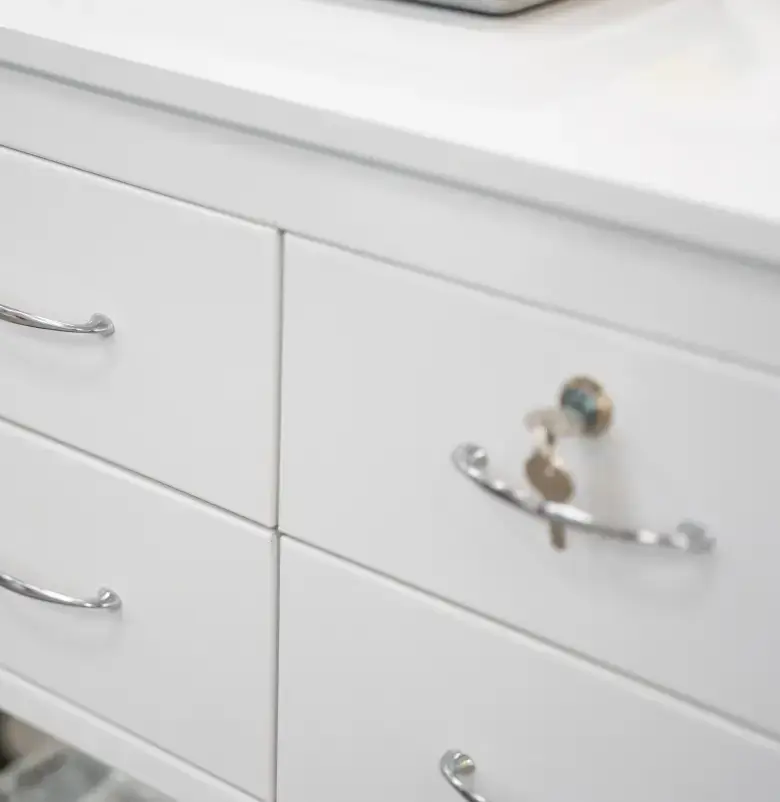
Safely storing medications involves placing them in a locked cabinet or secure container, ideally out of sight. Heat, moisture, and light can affect medication strength, so don’t leave them in bathrooms, cars, or open shelves.
Finally, when you dispose of your medications, use drug take-back programs, pharmacy return bins, or FDA-approved kits to prevent future misuse. Never flush drugs or throw them in the trash.
For additional help on safe medication use or detoxing, visit our guides below:
Understanding Suicide Prevention and Intervention
Suicide prevention and intervention begin with awareness. In addiction recovery, the risk of suicidal thoughts may increase during periods of emotional stress, isolation, or withdrawal. Recognizing warning signs early and responding with calm, structured action can help protect—and potentially save—lives.
Suicide prevention focuses on reducing access to dangerous items, increasing emotional connection, and making professional support clear and available. This may involve removing particular objects from the home and having honest conversations about safety planning. It should also include actions like daily checks and building routines, both of which lower risk during these challenging times.
Intervention, on the other hand, involves knowing when and how to act when someone shows signs of a mental health crisis. This means reaching out to others and involving crisis services when needed.
Together, prevention and intervention create a framework that allows people in recovery to feel seen, supported, and safe, even when things feel overwhelming. These tools help families, peers, and professionals respond with clarity and compassion.
Immediate Resources for At-Risk Individuals
When someone is in crisis, access to trusted, immediate support is essential. The following resources offer suicide intervention tools, mental health crisis guidance, and overdose prevention strategies 24/7:
- 988 Suicide and Crisis Lifeline: Free and confidential support for anyone in emotional distress or suicidal crisis. Call or text 988 anytime
- SAMHSA’s National Helpline: Assistance with finding local mental health and addiction treatment resources. Call 1-800-662-HELP (4357)
- Crisis Text Line: Text-based support for those struggling with anxiety, suicidal thoughts, or substance use. Text HOME to 741741
- Naloxone Access Programs: Local and national programs that provide naloxone kits and overdose response education.
- Emergency Services: If someone is in immediate danger, call 911 and request a mental health-trained responder if available.
These resources and services can provide critical support while individuals and families work to stabilize and move forward with future care.

Overdose Prevention Strategies That Save Lives
Overdose prevention is a holistic practice, focusing on everything from safe medication practices to early signs of distress.
In addiction recovery, knowing how to respond quickly to an overdose can protect both individuals and those around them.
Keeping naloxone on hand, for example, is one of the most effective overdose prevention strategies you can partake in, both for yourself or for others. Having honest, clear communication with others can also make it easier to stay safe when challenges arise, so education about recovery and addiction can be crucial.
For more guidance, you can read our resources on the prevention strategies:
Recognizing the Signs of Overdose
Knowing how to recognize the signs of overdose can mean the difference between life and death. Symptoms can vary depending on the substance, but many warning signs appear quickly and require immediate attention. In addiction recovery, being able to spot these signs in yourself or someone else allows you to act before the situation becomes dire.
Common signs of drug overdose include:
- Slow or irregular breathing
- Blue or grayish lips, fingertips, or skin
- Loss of consciousness or unresponsiveness
- Limp body or inability to wake up
- Choking, gurgling, or vomiting
- Confusion, slurred speech, or disorientation
- Seizures or tremors
- Cold or clammy skin
Responding quickly to these symptoms can prevent serious harm and give emergency services time to intervene. Keeping overdose prevention tools nearby, like naloxone, increases the chance of recovery in these terrifying moments.
How Naloxone Works and When to Use It for Drug Overdose
Naloxone (commonly known as Narcan) is a fast-acting medication that reverses the effects of opioid overdose. It works by blocking opioid receptors in the brain, restoring normal breathing and consciousness when used quickly.
It doesn’t have any effect on non-opioid substances, but naloxone remains crucial when opioids are involved, whether used alone or mixed with other drugs.
You should use naloxone at the first sign of an opioid-related overdose, especially if someone becomes unresponsive or shows signs of slowed breathing. While each kit comes with instructions, the nasal spray requires you to lie the person on their back and tilt their head back.
Then, you will spray the nozzle into one nostril, pressing the plunger firmly until it clicks and releases the full dose.
Wait a few minutes. If the person still does not respond, administer a second dose if you have one. It’s crucial to call 911 immediately, even if the person wakes up, as the effects of naloxone may wear off before the opioids do. Finally, make sure you stay with the person until help arrives, keeping an eye on their breathing the whole time.
Thankfully, naloxone is incredibly easy to use and widely accessible. Carrying it and knowing how to administer it can save a life during an opioid overdose.
Harm Reduction Techniques for Individuals and Families
Harm reduction offers practical steps to reduce the risks linked to substance use without requiring immediate abstinence.
For individuals, this can include using clean supplies, avoiding substance mixing, and never using alone.
Families can support harm reduction by creating nonjudgmental spaces, keeping naloxone available, and learning how to respond during a crisis without panic.
Establishing check-in routines and helping with medication tracking can also lower the chance of relapse or overdose.
Of course, these techniques do not replace recovery. Rather, they create the conditions that make it more possible.
Learn more about treatment and recovery options in our pages below:
Get Help Now With Counseling, Telehealth, and Family Support at Beachway
Recovery is possible, but no one should have to face it alone – or without resources. Whether you’re managing medication safety, navigating overdose prevention, or supporting a loved one through a mental health crisis, guidance can make all the difference.
Beachway offers evidence-based treatment and compassionate counseling, both in person and through secure telehealth services. This way, you know you never have to face your next hurdle alone.
Take a step towards safety and healing. Contact us today to speak with our admissions team and explore the treatment options that will restore your quality of life.
FAQs About Medication Safety, Overdose, and Suicide Prevention
What should I do if I suspect a loved one is misusing their medication?
Start by observing without accusation. Look for changes in their mood, missing doses, or signs of impaired behavior. Misuse may not always be intentional, either: it can come from confusion, emotional distress, or a lack of support.
If you’re concerned, speak calmly and express care. Encourage them to consult a professional and offer to help connect them with treatment options. Beachway’s team can guide families through early steps in overdose prevention and help assess the need for clinical support.
Which medications carry the highest risk of overdose, and how can Beachway help?
Opioids, benzodiazepines, and certain sleep medications carry the highest risk of overdose, especially when taken outside prescribed limits. Beachway provides structured dual diagnosis treatment, medication monitoring, and harm reduction strategies to reduce overdose risks while supporting long-term recovery.
Are there support groups for families affected by overdose or suicide attempts at Beachway?
Yes. Beachway offers family therapy, education, and group support for those impacted by overdose, suicide attempts, or ongoing mental health challenges. These services focus on building communication, reducing shame, and helping families create safer, more supportive environments.
Both telehealth and in-person options are available.
